

Private lending fills a critical gap in real estate finance, helping borrowers who cannot qualify for traditional bank loans access capital quickly. But the speed and flexibility of private money also attract bad actors. A loan shark is an unlicensed individual or entity that lends money at illegally high interest rates and often uses intimidation to collect debts. Knowing how to separate a legitimate private lender from a predatory one can save you thousands of dollars and protect your property. This guide walks you through seven concrete warning signs, verification steps, and tools you can use today to protect yourself before signing any loan agreement.
What Is Private Lending (and Why It Matters)
Private lending is a form of non-bank financing where individuals or companies lend money secured by real estate collateral. It is sometimes called hard money lending because the loan is backed by a "hard" asset rather than the borrower's credit profile alone. Private lenders serve borrowers who need fast-closing hard money loans for investment properties, fix-and-flip projects, or situations where traditional banks move too slowly.
According to Lendersa's loan shark guide, both subprime lenders and hard money lenders provide essential services, and without them the U.S. economy would not function the same way. The vast majority of private lenders operate legally and ethically. Still, a small percentage of bad actors give the entire industry a negative reputation.
What Exactly Is a Loan Shark?
A loan shark is an illegal or predatory lender who charges exorbitant interest rates well above legal limits and may resort to threats, harassment, or violence to collect repayment. Loan sharks typically target borrowers with poor credit or urgent cash needs who feel they have no other options.
Predatory lending is a related term that mainly applies to non-bank companies offering subprime loans under deceptive terms. While a loan shark is usually an individual or small group, predatory lending can also occur at larger institutions through hidden fees and misleading contracts. Understanding both concepts is essential before you enter the private lending market.
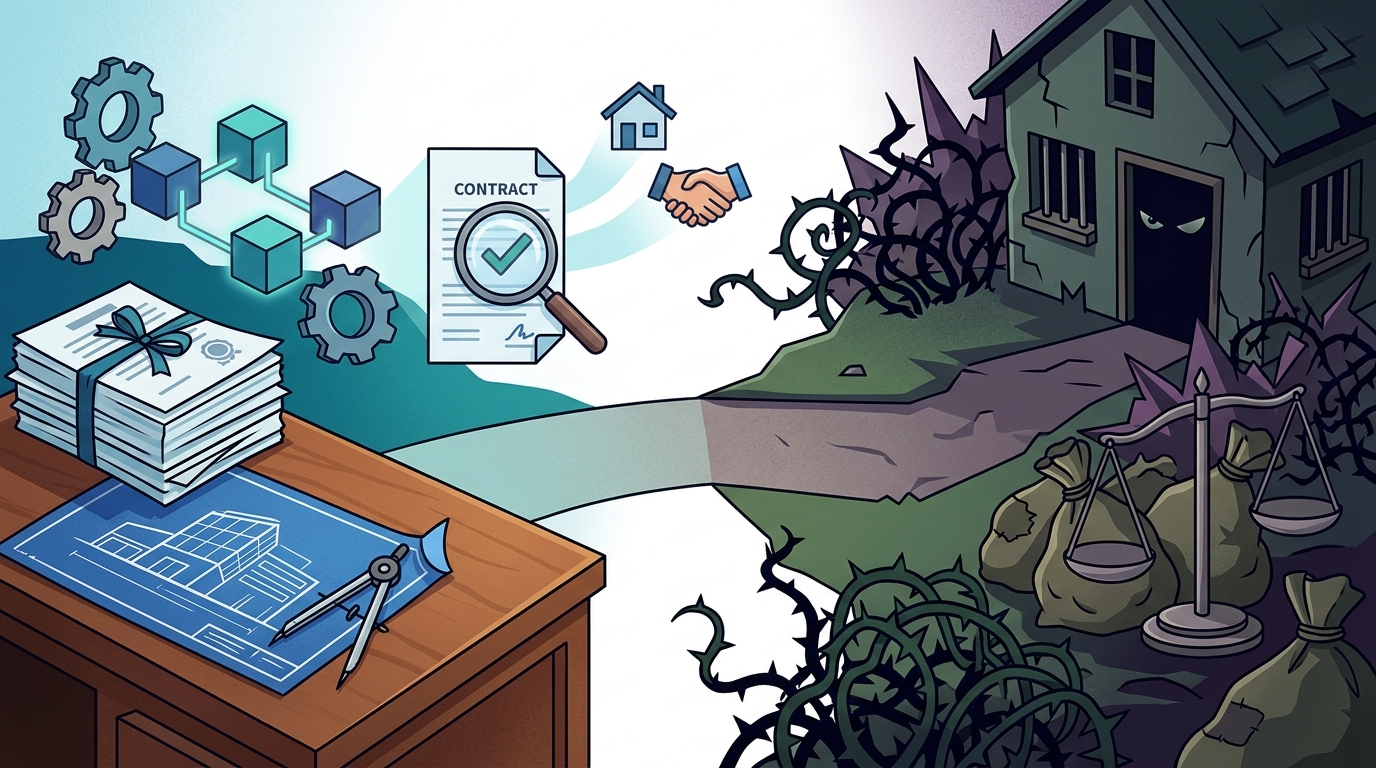
7 Warning Signs of a Loan Shark
1. No Verifiable License or NMLS Number
Every legitimate mortgage lender or loan originator in the United States is required to register with the Nationwide Multistate Licensing System (NMLS). If a lender cannot provide an NMLS ID or a state license number, treat this as a major red flag. Lendersa, for example, openly displays its CA NMLS 1795154 designation on every page.
2. Refusal to Provide Written Loan Terms
Loan sharks avoid clear documentation. A legitimate private lender will always give you a written loan estimate that details the interest rate, origination points, fees, repayment schedule, and prepayment penalties. If a lender is vague or rushes you past the paperwork stage, walk away.
3. Interest Rates Far Above Market Norms
Hard money loan rates in the U.S. typically range from 8% to 15% annually, depending on risk. Loan sharks, by contrast, may charge rates of 100% or more. Always compare the offered rate against current market averages. Platforms like Lendersa's lender directory let you see competing offers side by side so you can spot outliers instantly.
4. High-Pressure Tactics and Urgency
Loan sharks create artificial urgency, insisting you must sign immediately or lose the deal. Legitimate lenders give you reasonable time to review terms, ask questions, and consult advisors. If a lender becomes impatient with your questions or pressures you into a quick decision, that is a strong warning sign.
5. No Physical Address or Professional Online Presence
A reputable lender will have a verifiable office address, a professional website, and a history of online reviews. Loan sharks often advertise only through social media posts or flyers with nothing more than a phone number. Search the lender's name online and look for a track record spanning multiple years.
6. Demands Cash-Only Repayment
Be wary if a lender insists on cash payments or in-person collections rather than standard payment methods like ACH transfers, checks, or an online portal. Legitimate lenders offer formal, traceable repayment channels.
7. Threats, Intimidation, or Harassment
This is the most obvious sign. Any lender who uses threats of violence, public shaming, or intimidation is operating outside the law. Legitimate financial institutions follow ethical debt-collection practices regulated by the Consumer Financial Protection Bureau (CFPB).
How to Verify a Private Lender Is Legitimate
Step 1: Check NMLS Consumer Access
Visit NMLSConsumerAccess.org and search by the lender's name or NMLS ID. The SAFE Act requires every mortgage loan originator in the U.S. to register with NMLS. Confirm that their status shows "Approved" in the state where they are conducting business with you.
Step 2: Read Online Reviews and Complaints
Search the lender's business name and the name of the person you are dealing with. Look for reviews on Google, the Better Business Bureau, and industry forums. Be suspicious if you find only very recent information or no reviews at all.
Step 3: Compare Multiple Offers
Never work with only one lender. A tool like Lendersa's loan optimization engine compares your scenario against hundreds of lender guidelines simultaneously, making it easy to benchmark any offer you receive. If one lender's terms are dramatically worse than the market, you know to keep looking.
Side-by-Side Comparison Table
| Criteria | Legitimate Private Lender | Loan Shark |
|---|---|---|
| Licensing | Registered with NMLS; displays license number | No license; avoids regulatory questions |
| Interest Rates | 8%–15% annually (typical hard money) | 50%–100%+ annually or undisclosed |
| Written Agreement | Full loan estimate with all terms disclosed | No paperwork or vague verbal promises |
| Repayment Methods | ACH, check, online portal | Cash-only or in-person collection |
| Collection Practices | Lawful; follows CFPB guidelines | Threats, harassment, or intimidation |
| Online Presence | Professional website, years of reviews | Social media ads or flyers only |
| Transparency | Answers all questions clearly | Deflects questions or creates urgency |
How to Protect Yourself Before Signing
Before committing to any private loan, take these protective steps. First, always request the lender's NMLS number and verify it independently. Second, obtain loan estimates from at least three different lenders so you can compare rates and fees. Third, read every page of the loan agreement before signing; legitimate lenders expect this and will not rush you.
If you are exploring how to choose a hard money lender, focus on lenders with a deep track record, transparent fee structures, and positive borrower testimonials. You should also understand how some mortgage brokers overcharge borrowers so you can identify unfair fee stacking regardless of the loan channel.
Key Takeaways
- A legitimate private lender is licensed, transparent, and registered with NMLS. A loan shark is not.
- Interest rates dramatically above 15% on a real-estate-secured loan warrant immediate scrutiny.
- Always request written loan terms. If a lender refuses, do not proceed.
- Verify every lender through NMLS Consumer Access before sharing personal information.
- Compare at least three offers using a loan marketplace like Lendersa to benchmark pricing.
- Threats, harassment, or cash-only repayment demands are illegal and should be reported to the CFPB.
- High fees alone do not make a lender a loan shark; the key difference is whether the lender structures the loan to benefit you or to seize your property.
Frequently Asked Questions
What is the difference between a private lender and a loan shark?
A private lender is a licensed individual or company that provides real-estate-secured loans with transparent terms and legal collection practices. A loan shark operates without a license, charges illegal interest rates, and may use threats to collect. The core distinction is regulatory compliance and borrower protection.
How can I check if a lender is licensed?
Visit NMLSConsumerAccess.org and search by the lender's name, NMLS ID, or state license number. The CFPB recommends this free service for confirming authorization to conduct business in your state.
Are hard money loans the same as loan shark loans?
No. Hard money loans are legitimate, asset-based loans offered by licensed private lenders. While rates are higher than conventional mortgages, they are legal and regulated. Lendersa's network includes hundreds of vetted hard money lenders that operate within state and federal guidelines.
What interest rate is considered predatory?
There is no single national threshold, as usury laws vary by state. However, real-estate hard money loans typically range from 8% to 15%. If a lender offers rates of 50% or higher on a property-secured loan, that is a strong indicator of predatory behavior.
What should I do if I suspect a lender is a loan shark?
Stop all communication and do not sign any documents. Report the lender to your state's attorney general, the CFPB, and the Federal Trade Commission. You can also file a complaint through your state's department of financial regulation.
Can I get a private loan with bad credit without using a loan shark?
Yes. Many legitimate hard money lenders focus on the property's equity rather than the borrower's credit score. Using a hard money lender directory helps you find licensed lenders who specialize in credit-challenged borrowers.
Does Lendersa verify its lenders?
Lendersa is an NMLS-registered loan marketplace (NMLS 1795154) that aggregates thousands of loan programs from banks, credit unions, and private investors. The platform uses AI to match borrowers with suitable lenders, and your contact information stays private until you choose a lender.
Find a Legitimate Private Lender Today
Do not gamble with unlicensed lenders when your property is on the line. Start a free loan search on Lendersa to compare competing hard money and conventional offers from hundreds of vetted lenders. No Social Security number is required to begin, and your information stays private until you are ready to move forward.