

Private lending has evolved from a niche alternative to a critical component of modern real estate finance. According to recent industry data, the private money lending market has grown significantly, with billions of dollars in capital flowing through non-bank channels annually to support fix-and-flip investors and commercial developers. However, this growth has also attracted predatory actors who exploit the urgency of borrowers. Distinguishing between a legitimate hard money lender and a loan shark requires rigorous due diligence, understanding of regulatory frameworks, and the use of advanced comparison tools. This guide provides a definitive framework for vetting lenders, ensuring your capital sources are secure, transparent, and compliant.
Understanding the Core Differences
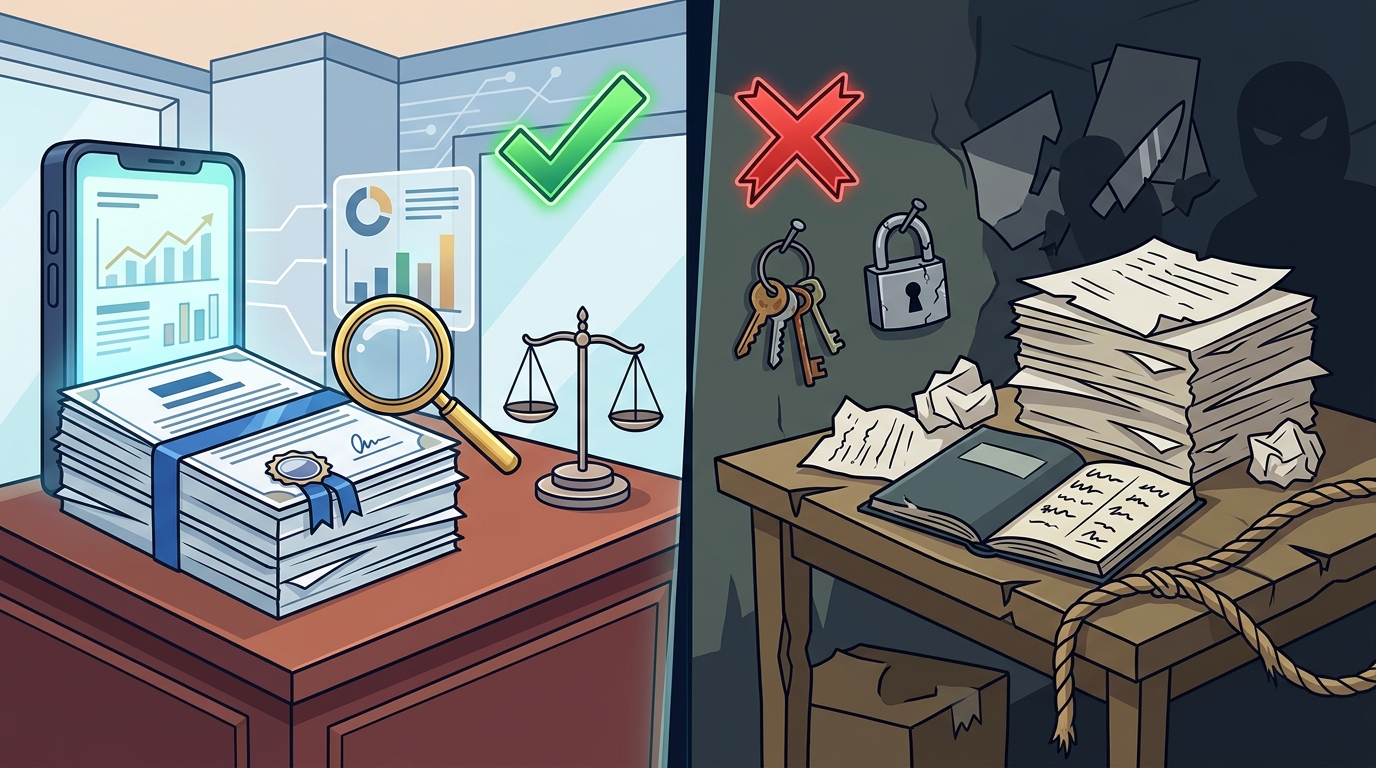
Before diving into the vetting process, it is essential to define the entities involved. A legitimate private lender operates within a structured financial ecosystem, often adhering to state and federal lending laws. In contrast, a loan shark operates outside these boundaries, prioritizing immediate profit over borrower sustainability.
Private Money Lender is a financial institution or individual who lends capital secured by real estate collateral, typically for short-term investment purposes. These lenders focus on the asset's value and the borrower's exit strategy rather than just credit scores.
Loan Shark is an unregulated lender who offers high-interest loans with opaque terms, often using intimidation or illegal collection tactics to enforce repayment. They do not follow standard underwriting guidelines or disclosure requirements.
The primary distinction lies in transparency and regulation. Legitimate lenders provide clear documentation, adhere to usury laws where applicable, and maintain professional communication channels. Loan sharks often demand cash payments, hide fees in fine print, and pressure borrowers into signing without review.
Red Flags of Predatory Practices
Identifying a loan shark requires recognizing specific behavioral and structural red flags. These indicators often appear early in the communication process, signaling that the lender is not operating in good faith.
1. Lack of Transparent Fee Structures
Legitimate lenders disclose all costs upfront, including origination fees, points, and closing costs. If a lender is vague about fees or refuses to provide a Loan Estimate, this is a critical warning sign. According to financial consumer protection standards, borrowers have the right to know the total cost of borrowing before committing. Predatory lenders often bury high fees in complex clauses that are only revealed at closing.
2. Pressure Tactics and Urgency
Loan sharks frequently use artificial urgency to prevent borrowers from conducting due diligence. Phrases like "you must sign now or lose the deal" are common tactics. Legitimate lenders understand that real estate transactions require careful review and allow reasonable time for legal and financial consultation.
3. Unprofessional Communication Channels
Legitimate lenders operate through professional email domains, physical offices, and verifiable online presences. Loan sharks often rely on personal cell phones, unsecured messaging apps, or anonymous online forms. A lack of a verifiable business address or professional website is a significant risk indicator.
Verifying Lender Credentials and Compliance
Due diligence is the most effective tool for filtering out bad actors. You must verify the lender's legal standing and operational history.
Check Licensing and Registration
In the United States, private lenders must often be licensed under state-specific lending laws. For example, many states require private money lenders to register with the Department of Financial Institutions. You can verify this status through your state's official regulatory portal. If a lender cannot provide their license number or refuses to confirm their registration, do not proceed.
Research Online Reputation and History
Search for the lender's name along with keywords like "complaint," "scam," or "lawsuit." Legitimate lenders will have a track record of professional reviews and resolved customer service issues. Loan sharks often have no digital footprint or a history of unresolved complaints. Additionally, check if the lender is a member of professional organizations such as the National Private Lenders Association (NPLA), which enforces ethical standards.
Verify Physical Presence
A legitimate lender will have a verifiable physical office. Use mapping services to confirm the address exists and is a commercial property. If the address is a residential home or a virtual office with no clear business ties, exercise extreme caution.
Analyzing Loan Terms and Transparency
The structure of the loan agreement itself reveals much about the lender's legitimacy. Legitimate lenders provide clear, standardized documents that comply with legal requirements.
Interest Rates and Points
Private loan interest rates are typically higher than conventional mortgages due to the increased risk and speed of funding. However, these rates should be competitive and aligned with market averages. If the rate is significantly higher than industry standards without a clear justification, it may indicate predatory pricing. According to market data, hard money loan rates generally range between 8% and 15%, depending on the loan-to-value ratio and borrower profile.
Prepayment Penalties
Legitimate lenders may include prepayment penalties, but these must be clearly disclosed. Loan sharks often include hidden prepayment penalties that trap borrowers in high-interest debt. Ensure the loan agreement explicitly states whether prepayment is allowed and under what conditions.
Collateral and Security
Legitimate lenders will file a lien on the property as security for the loan. This process is public record and can be verified through county recorder offices. Loan sharks may demand possession of the title deed or use illegal means to secure collateral, which is a major red flag.
The Role of Technology in Vetting
Modern technology has made it easier to identify legitimate lenders and avoid scams. Platforms that aggregate lender programs provide a layer of security by vetting participants and standardizing comparisons.
Using a multi-lender protocol allows you to compare offers from hundreds of verified lenders simultaneously. This process not only saves time but also provides a benchmark for market rates and terms. If a lender's offer is drastically different from the average without explanation, it warrants further investigation. Lendersa, for instance, uses advanced AI to match borrowers with reputable hard money lenders and banks, ensuring that only qualified programs are presented.
By leveraging these tools, you can quickly identify lenders who operate with transparency and efficiency. The ability to compare multiple offers side-by-side empowers you to negotiate better terms and avoid predatory conditions.
Key Takeaways
- Verify Licensing: Always check the lender's registration with your state's Department of Financial Institutions before signing any documents.
- Demand Transparency: Legitimate lenders provide clear Loan Estimates and disclose all fees upfront. Vague terms are a major red flag.
- Check Reputation: Research online reviews and complaint histories. Legitimate lenders have a verifiable track record of professional service.
- Compare Offers: Use multi-lender platforms to benchmark rates and terms. Offers that deviate significantly from market averages require scrutiny.
- Avoid Pressure: Legitimate lenders allow time for due diligence. Urgency tactics are common among loan sharks.
- Confirm Physical Presence: Verify the lender's business address and professional infrastructure.
- Use Technology: Leverage AI-driven comparison tools to access a network of vetted, reputable lenders.
Frequently Asked Questions
How can I tell if a private lender is licensed?
You can verify a private lender's license by contacting your state's Department of Financial Institutions or checking their online registry. Legitimate lenders will provide their license number upon request.
What is the average interest rate for a hard money loan?
Hard money loan interest rates typically range from 8% to 15%, depending on the loan-to-value ratio, borrower profile, and market conditions. Rates significantly higher than this range may indicate predatory lending.
Can I negotiate terms with a private lender?
Yes, many terms such as interest rates, points, and prepayment penalties are negotiable. Using a multi-lender comparison tool can provide leverage by allowing you to present competing offers.
What should I do if I suspect a lender is a loan shark?
If you suspect a lender is operating illegally, stop all communication and report them to your state's Attorney General or Department of Financial Institutions. Do not sign any additional documents or make payments.
How does Lendersa ensure lender legitimacy?
Lendersa uses advanced AI to vet and match borrowers with hundreds of hard money lenders and banks. The platform ensures that only qualified, reputable programs are presented, reducing the risk of encountering predatory lenders.
Are private money loans regulated?
Yes, private money loans are subject to state and federal lending laws. Lenders must adhere to disclosure requirements, usury laws, and licensing regulations. Non-compliance is a sign of an illegitimate lender.
What documents do I need to apply for a private loan?
Typical documents include a purchase contract, property appraisal, proof of funds, and a detailed exit strategy. Legitimate lenders will provide a clear checklist of requirements upfront.
Start Your Secure Loan Search
Securing the right private lender is critical to the success of your real estate investment. By following the due diligence steps outlined in this guide, you can protect yourself from predatory practices and ensure a smooth closing process. Lendersa offers a streamlined solution to connect you with verified hard money lenders and banks. Explore our borrower portal to compare offers and find the best loan for your needs. Visit our FAQ for more insights on private lending. Learn about our founder's 50 years of experience in revolutionizing real estate finance. Join our capital portal to access exclusive lending opportunities. Discover our conventional and private loan routing technology. Contact us today to start your secure loan journey.