

The modern lending landscape is defined by speed and precision. In an era where capital moves at the speed of fiber optics, lenders who rely on manual outreach or fragmented databases are already losing market share. The shift toward algorithmic matching has transformed how capital is deployed. According to recent industry analyses, the integration of AI in financial services has reduced loan origination times by up to 40% for early adopters. This statistic highlights a critical reality: efficiency is no longer a luxury; it is the primary competitive advantage. Lenders must adapt their strategies to capture high-intent borrowers before they settle for inferior terms elsewhere.
Understanding the Multi-Lender Protocol
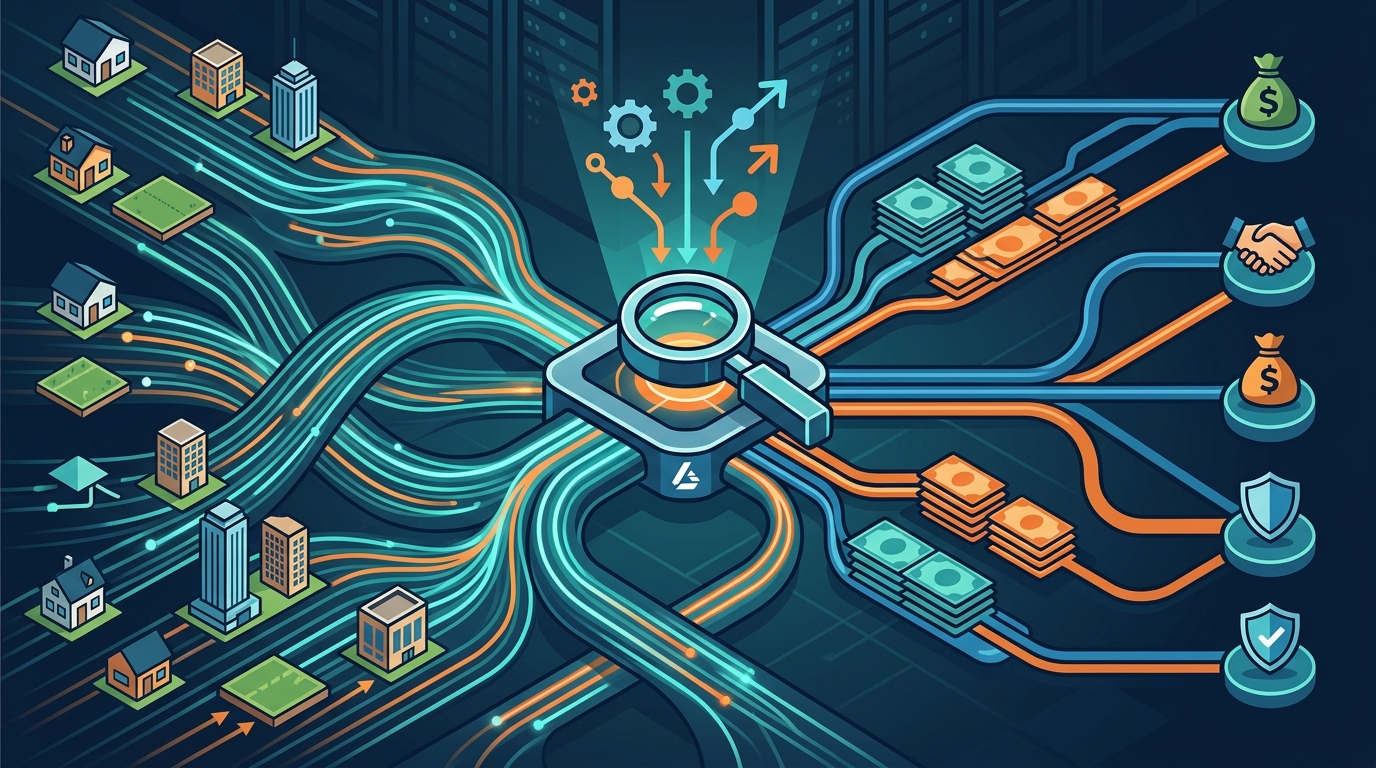
At the core of modern lending efficiency is the Multi-Lender Protocol. This framework replaces the traditional, linear approach of contacting one lender after another with a parallel, competitive model. In this system, a borrower's loan request is simultaneously presented to a curated network of qualified capital providers. This creates a dynamic environment where lenders are incentivized to offer their most competitive terms to win the business.
The Multi-Lender Protocol is a structured process that ensures transparency and speed. It operates on the principle that competition drives value. By allowing multiple lenders to view the same opportunity, the protocol eliminates information asymmetry. Lenders no longer need to guess if their terms are market-leading; the market tells them instantly. This approach is particularly effective in the hard money and private lending sectors, where speed and flexibility are paramount.
For lenders, this means moving away from the "spray and pray" method of marketing. Instead, resources are focused on high-quality leads that have already been vetted for property type, loan-to-value ratios, and borrower equity. This precision reduces customer acquisition costs and increases the likelihood of closing deals. The protocol essentially acts as a digital bridge, connecting capital with opportunity in real-time.
Leveraging AI for Precise Matching
Artificial Intelligence has revolutionized the way loan scenarios are evaluated. Traditional underwriting often relies on rigid criteria that can exclude viable borrowers. AI-driven platforms, such as those utilized by Lendersa, use advanced algorithms to match loan scenarios with hundreds of potential lenders instantly. This technology does not just sort data; it understands the nuances of different lending programs.
AI matching works by analyzing key variables such as property location, asset type, borrower credit profile, and loan purpose. The system then filters the lender network to identify those who are actively seeking this specific type of deal. This precision ensures that lenders only receive leads that fit their investment criteria. For example, a lender specializing in fix-and-flip loans in California will only see opportunities that match their geographic and product focus.
The efficiency of AI matching is further enhanced by tools like LoanScore™ and LoanImprove™. These tools help borrowers present their deals in the most favorable light, which in turn helps lenders assess risk more accurately. When borrowers use these tools, they are essentially pre-pitching their loans, making the lender's due diligence process faster and more reliable. This synergy between borrower preparation and lender technology streamlines the entire origination workflow.
The Negotiation Phase
Once the initial matching is complete, the negotiation phase begins. This is where the Multi-Lender Protocol truly shines. Lenders are not just receiving a lead; they are entering a competitive bidding process. The platform facilitates this by allowing lenders to submit their best terms, including interest rates, points, and loan durations.
The negotiation process is designed to be transparent and efficient. Lenders can see the competitive landscape, which encourages them to offer their most aggressive terms. This is beneficial for both the borrower and the lender. Borrowers get the best possible deal, and lenders secure business in a highly competitive market. The AI engine continues to work in the background, re-evaluating the market as new data becomes available.
For lenders, this phase requires agility. The ability to quickly adjust terms based on real-time competition is crucial. Platforms that support this dynamic environment allow lenders to update their offers instantly. This responsiveness can be the difference between winning a deal and losing it to a competitor. The goal is to provide a Letter of Intent (LOI) that stands out in a crowded field.
Finalizing and LOI Issuance
The final stage of the lending journey is the issuance of the Letter of Intent. This document formalizes the lender's offer and outlines the terms under which they are willing to fund the loan. The AI system plays a critical role in this stage by re-running the search to identify lenders who are ready to move forward.
The LOI process is streamlined through digital integration. Lenders can generate and send LOIs electronically, reducing administrative overhead and accelerating the closing timeline. This speed is essential in the hard money and bridge loan sectors, where borrowers often need to close in days, not weeks. The ability to issue an LOI quickly can be a significant competitive advantage.
Furthermore, the platform keeps runner-up lenders on standby. This ensures that if the primary lender encounters any processing issues, there are immediate alternatives available. This redundancy adds a layer of security for the borrower and ensures that the deal does not fall through due to logistical delays. For lenders, being the primary choice is the goal, but being a viable backup is also a valuable position in the network.
Comparing Lending Models
Understanding the different lending models is crucial for lenders looking to optimize their operations. The market offers various options, each with its own set of advantages and challenges. The table below compares the primary lending models available through modern platforms.
| Lending Model | Primary Use Case | Speed of Funding | Key Advantage |
|---|---|---|---|
| Hard Money Loans | Fix and Flip, Bridge Loans | Fast (Days) | Equity-based underwriting |
| Conventional Loans | Primary Residence, Refinance | Slow (Weeks) | Lower interest rates |
| Construction Loans | New Builds, Renovations | Medium (Weeks) | Phased disbursement |
| Commercial Loans | Investment Properties | Medium (Weeks) | Higher loan amounts |
Each model requires a different approach to marketing and underwriting. Hard money lenders must emphasize speed and flexibility, while conventional lenders focus on rate competitiveness. Commercial lenders need to demonstrate expertise in asset valuation. By understanding these distinctions, lenders can tailor their offerings to attract the right borrowers.
Key Takeaways for Lenders
- Adopt the Multi-Lender Protocol: This approach increases deal flow by presenting your offers to multiple qualified borrowers simultaneously.
- Leverage AI Matching: Use AI tools to ensure your capital is matched with the most relevant loan scenarios, reducing wasted effort.
- Compete on Terms: The negotiation phase rewards lenders who can offer the most competitive rates and flexible terms.
- Speed is Critical: In the hard money and bridge loan sectors, the ability to issue an LOI quickly is a major competitive advantage.
- Utilize Pre-Pitch Tools: Encourage borrowers to use LoanScore™ and LoanImprove™ to present their deals in the best possible light.
- Focus on Equity: Modern lending increasingly focuses on asset equity rather than just borrower credit, opening up new markets.
- Stay Agile: The ability to adjust terms in real-time based on competition is essential for winning deals in a digital marketplace.
Frequently Asked Questions
How does the Multi-Lender Protocol work?
The Multi-Lender Protocol simultaneously presents a borrower's loan request to a network of qualified lenders. This creates a competitive environment where lenders bid for the business by offering their best terms.
What is the benefit of using AI in lending?
AI enables precise matching of loan scenarios to lender criteria, reducing time-to-market and increasing the likelihood of closing deals with qualified borrowers.
How fast can hard money loans be funded?
Hard money loans can often be funded in days, compared to weeks for conventional loans. This speed is crucial for investors who need to close quickly on auction properties.
What is LoanScore™?
LoanScore™ is a proprietary tool that helps borrowers understand their loan eligibility and improve their chances of securing favorable terms from lenders.
Can lenders compete for commercial loans?
Yes, the platform supports a wide range of loan types, including commercial loans, allowing lenders to compete for investment property financing.
What is a Letter of Intent (LOI)?
An LOI is a document issued by a lender outlining the terms under which they are willing to fund a loan. It is a critical step in the finalization process.
How does Lendersa help lenders find deals?
Lendersa aggregates loan requests from borrowers across the USA, Canada, and Puerto Rico, using AI to match them with the most suitable lenders in its network.
Join the Network
The future of lending is digital, competitive, and efficient. Lenders who embrace these changes will thrive in the new market landscape. By joining the Lendersa network, you gain access to a vast pool of high-intent borrowers and the tools necessary to compete effectively. Don't let your competitors secure the best deals. Take control of your capital deployment today.
Register as a Lender to start receiving qualified loan requests and competing for the best financing deals in the market.