

Traditional mortgage lending is a fragmented ecosystem where borrowers often face rejection before they even begin their search. According to recent industry data, nearly 30% of loan applications are denied initially due to rigid underwriting criteria that fail to capture the full financial picture of modern borrowers. This statistic highlights the critical need for a more dynamic approach to capital acquisition. By leveraging advanced algorithms, you can bypass the traditional gatekeepers and access a broader network of private and conventional lenders. This guide details the exact steps to initiate a high-intent financing comparison, ensuring you secure the most favorable terms for your real estate or business needs. (Get Answers For Hard)
Step 1: Define Your Loan Purpose and Property Type
The first step in the financing comparison process is to clearly articulate the specific nature of your investment or acquisition. Lenders categorize loans based on strict risk matrices, and misidentifying your property type can lead to immediate disqualification from certain programs. Whether you are seeking capital for a fix and flip project, a long-term rental, or a commercial development, precision is paramount.
Hard money lenders typically focus on the asset's after-repair value (ARV), while conventional banks scrutinize your debt-to-income ratio. By defining your purpose early, you allow the AI matching engine to filter out incompatible lenders. For instance, if you are pursuing a construction loan, you must specify whether you need a draw schedule or a lump-sum disbursement. This clarity ensures that the lenders who respond to your inquiry are actually capable of funding your specific scenario.
Step 2: Prepare Your Equity and Asset Documentation
Unlike traditional mortgages that rely heavily on income verification, private and hard money lending is asset-based. This means your equity position is the primary driver of your approval odds. You must gather documentation that proves your skin in the game, such as proof of funds, bank statements, or existing asset valuations. Investopedia reports that hard money lenders often require a down payment ranging from 20% to 30% of the purchase price or the total project cost.
Preparing these documents in advance streamlines the comparison process significantly. When you upload your asset data, the platform can instantly calculate your Loan-to-Value (LTV) ratio. This metric is crucial because it determines the maximum loan amount you can secure. A higher equity position typically unlocks access to lower interest rates and more flexible terms, as it reduces the lender's risk exposure. Ensure your documentation is current and clearly displays your ownership stakes to avoid delays during the underwriting phase.
Step 3: Utilize Pre-Application Diagnostic Tools
Before submitting a full application, it is wise to assess your eligibility using proprietary diagnostic tools. Lendersa offers specialized instruments like LoanScore™ and LoanImprove™ designed to evaluate your deal's strength without requiring a Social Security Number. These tools analyze your equity, credit profile, and property details to predict lender interest.
Using these pre-application resources helps you understand how your deal will be perceived by the market. If the diagnostic indicates a weak profile, you can address gaps before engaging with lenders. This step is particularly valuable for borrowers with non-traditional income sources or complex financial histories. By identifying potential hurdles early, you can adjust your strategy or gather additional supporting evidence to strengthen your case. This proactive approach saves time and prevents the frustration of submitting to lenders who are unlikely to approve your loan.
Step 4: Submit Your Scenario to the Multi-Lender Protocol
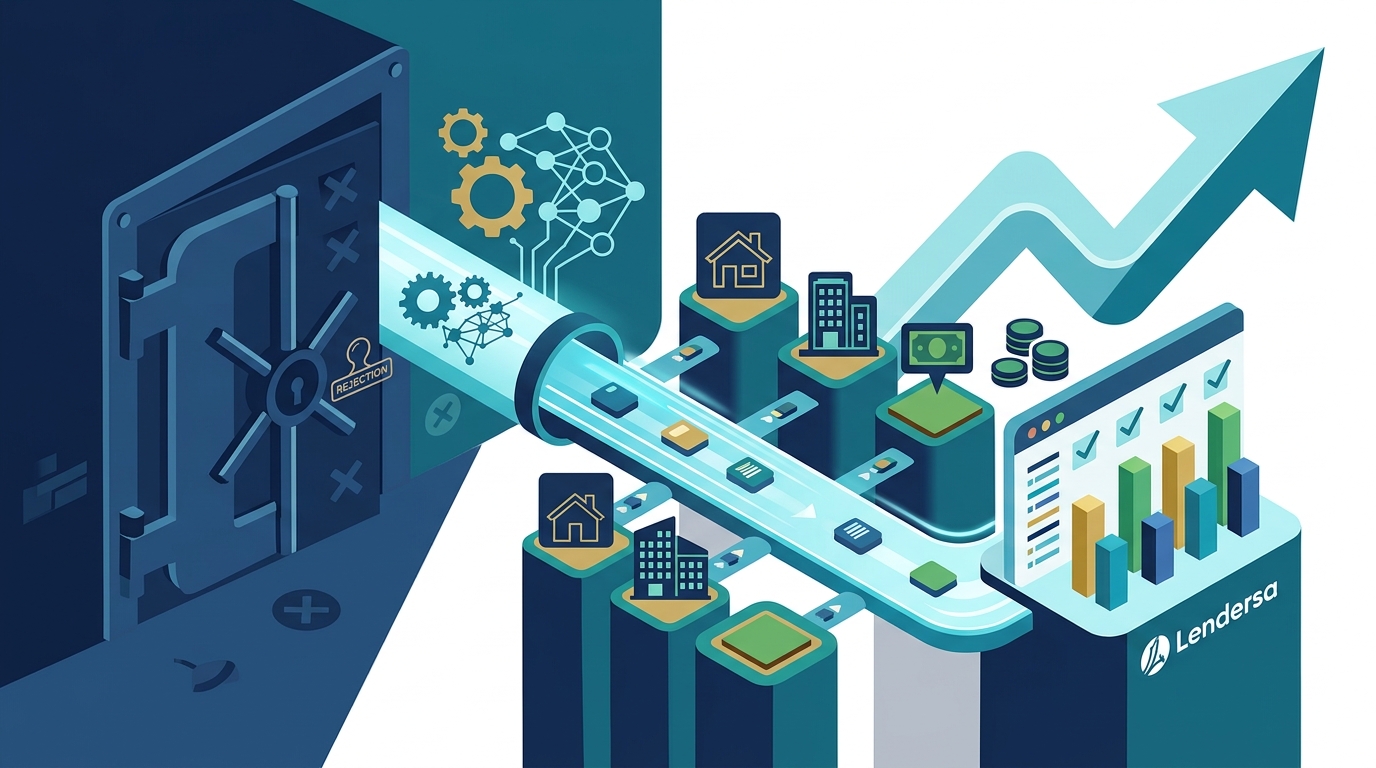
Once your documentation is ready, you submit your scenario to the Multi-Lender Protocol. This is the core engine of the comparison process. Instead of contacting individual lenders, you upload your complete loan package to the platform. The AI then instantly routes your request to hundreds of qualified lenders, including banks, credit unions, and private investors.
The protocol operates on a competitive bidding model. Lenders see your anonymized deal parameters and submit their best offers to win your business. This eliminates the need for you to negotiate individually with each institution. The system sorts these offers based on key criteria such as interest rates, closing speed, and loan amounts. By aggregating these bids, you gain immediate visibility into the current market rates for your specific property type. This transparency is a significant advantage over traditional lending, where rates are often hidden until late in the process.
Step 5: Evaluate and Negotiate Competing Offers
The final step involves reviewing the competing offers generated by the Multi-Lender Protocol. You will receive a detailed breakdown of each lender's terms, including interest rates, points, fees, and closing timelines. Use the Quote Comparison Dashboard to side-by-side analyze these options. Look beyond the interest rate and consider the total cost of capital, including prepayment penalties and lender fees.
Once you identify the top contenders, you can engage in further negotiation. The platform allows you to pit the leading lenders against each other to drive down costs. This competitive pressure often results in improved terms that would not be available through a single lender relationship. After selecting your preferred lender, you finalize the loan by providing any remaining documentation required for underwriting. The top lender is then awarded the loan, while runners-up remain on standby to ensure a smooth closing process.
Comparison of Loan Types for Financing
Understanding the differences between loan types is essential for selecting the right comparison path. The table below summarizes the key characteristics of the primary loan categories available through the platform.
| Loan Type | Primary Use Case | Typical Closing Speed | Key Advantage |
|---|---|---|---|
| Hard Money Loans | Fix and Flip, Bridge Financing | Days | Asset-based approval, fast funding |
| Conventional Loans | Primary Residence, Investment | 30-45 Days | Lower interest rates, longer terms |
| Construction Loans | New Build, Major Renovation | 2-4 Weeks | Draw schedules, flexible disbursement |
| Non-QM Loans | Self-Employed, Complex Income | 2-3 Weeks | Alternative income verification |
Key Takeaways
- Equity is King: Private lenders prioritize asset value over income, making equity preparation the most critical step.
- AI Matching: The Multi-Lender Protocol automates the search, connecting you with hundreds of lenders simultaneously.
- No SSN Required: Initial searches and diagnostics can be performed without providing sensitive personal identification.
- Competitive Bidding: Lenders compete for your business, driving down rates and improving terms automatically.
- Speed to Close: Hard money and bridge loans can close in days, crucial for auction purchases.
- Founder Expertise: The platform is built on 50 years of lending experience, ensuring robust underwriting standards.
- Nationwide Reach: The network spans all 50 states, Canada, and Puerto Rico, offering broad geographic coverage.
Frequently Asked Questions
Do I need a perfect credit score to start the comparison process?
No. While credit scores are a factor, private and hard money lenders focus primarily on your equity and the property's value. The platform allows you to compare options even with less-than-perfect credit, as long as you have sufficient collateral.
How long does it take to receive loan offers?
Once you submit your scenario to the Multi-Lender Protocol, the AI instantly routes your request. You can typically view competing offers within minutes to a few hours, depending on the complexity of the deal and lender response times.
Is there a cost to use the financing comparison tool?
The initial search and comparison process is designed to be accessible for borrowers. You can view offers and compare terms without upfront fees. Costs are typically associated with the final loan origination or application fees charged by the selected lender.
Can I compare hard money and conventional loans side by side?
Yes. The platform aggregates both private capital and conventional bank loans. This allows you to weigh the speed of hard money against the lower costs of conventional financing to make the best decision for your timeline and budget.
What documents are required to finalize a loan?
After selecting a lender, you will need to provide specific documentation such as proof of funds, property appraisal, purchase agreement, and personal financial statements. The exact requirements vary by lender and loan type.
Does the platform work for commercial properties?
Absolutely. The Multi-Lender Protocol handles a wide range of property types, including commercial real estate, vacant land, and multi-family units. You can specify your property type to receive tailored offers from specialized commercial lenders.
How does the AI negotiate on my behalf?
The AI does not negotiate in real-time conversations. Instead, it structures your deal to be highly attractive to multiple lenders, prompting them to submit their best possible terms in a competitive bidding environment. This automated competition drives down costs effectively.
Start Your Financing Journey Today
Stop searching and let lenders compete for you. The traditional lending process is broken, but the future of capital acquisition is here. By following these steps, you can unlock access to a vast network of lenders and secure the best possible terms for your investment. Visit Lendersa.com to begin your AI-powered loan comparison today and experience the power of competitive lending.