

When applying for commercial loans without providing a Social Security Number (SSN), borrowers are protected by federal privacy laws, state data security statutes, and contractual privacy policies. These legal frameworks prevent lenders from demanding unnecessary personal identifiers and mandate strict data handling protocols. Lendersa operates under these regulations, ensuring that commercial borrowers can access financing through asset-based underwriting while maintaining their personal privacy and legal rights.
The Legal Framework for Data Privacy
The primary legal protection for borrowers is the Gramm-Leach-Bliley Act (GLBA), which mandates that financial institutions protect the nonpublic personal information of their customers. This federal law requires lenders to provide clear privacy notices and restrict the sharing of sensitive data with third parties without consent. For commercial borrowers who do not provide an SSN, the GLBA still applies to any personal data that is collected, such as business entity details or principal information. This ensures that even in the absence of a federal tax identifier, the remaining data is handled with the same level of legal scrutiny and security.
Commercial vs. Conventional Loan Requirements
Commercial real estate loans are often made to business entities rather than individual borrowers, which fundamentally changes the data requirements. Unlike conventional residential mortgages, which typically require a personal SSN for credit checks and tax reporting, commercial loans focus on the financial health of the entity and the value of the property. This distinction is supported by the fact that commercial loans are frequently structured as non-recourse, meaning the lender's recovery is limited to the property itself. Consequently, the legal necessity for a personal SSN is reduced, allowing borrowers to rely on entity-level identifiers and asset-based metrics for underwriting.
Asset-Based Underwriting and Privacy
Asset-based underwriting is a lending methodology that evaluates the value of the collateral property rather than the borrower's personal credit history. This approach is legally distinct from income-based underwriting because it shifts the focus from personal financial identifiers to real estate metrics. By using asset-based underwriting, lenders can approve loans based on the Loan-to-Value (LTV) ratio and property condition, which are public or verifiable data points. This method aligns with privacy protections because it minimizes the collection of sensitive personal data, allowing borrowers to maintain their privacy while still accessing capital for their commercial projects.
State-Level Data Security Protections
In addition to federal laws, state data security statutes provide additional layers of protection for borrowers. For example, the California Consumer Privacy Act (CCPA) gives residents the right to know what personal information is being collected and the right to delete that information. These state laws complement federal regulations by providing specific enforcement mechanisms and penalties for data mishandling. For borrowers in states with robust privacy laws, the legal protections extend to any personal data collected during the loan application process, ensuring that lenders must adhere to strict data minimization and security standards.
Contractual Rights and Lender Obligations
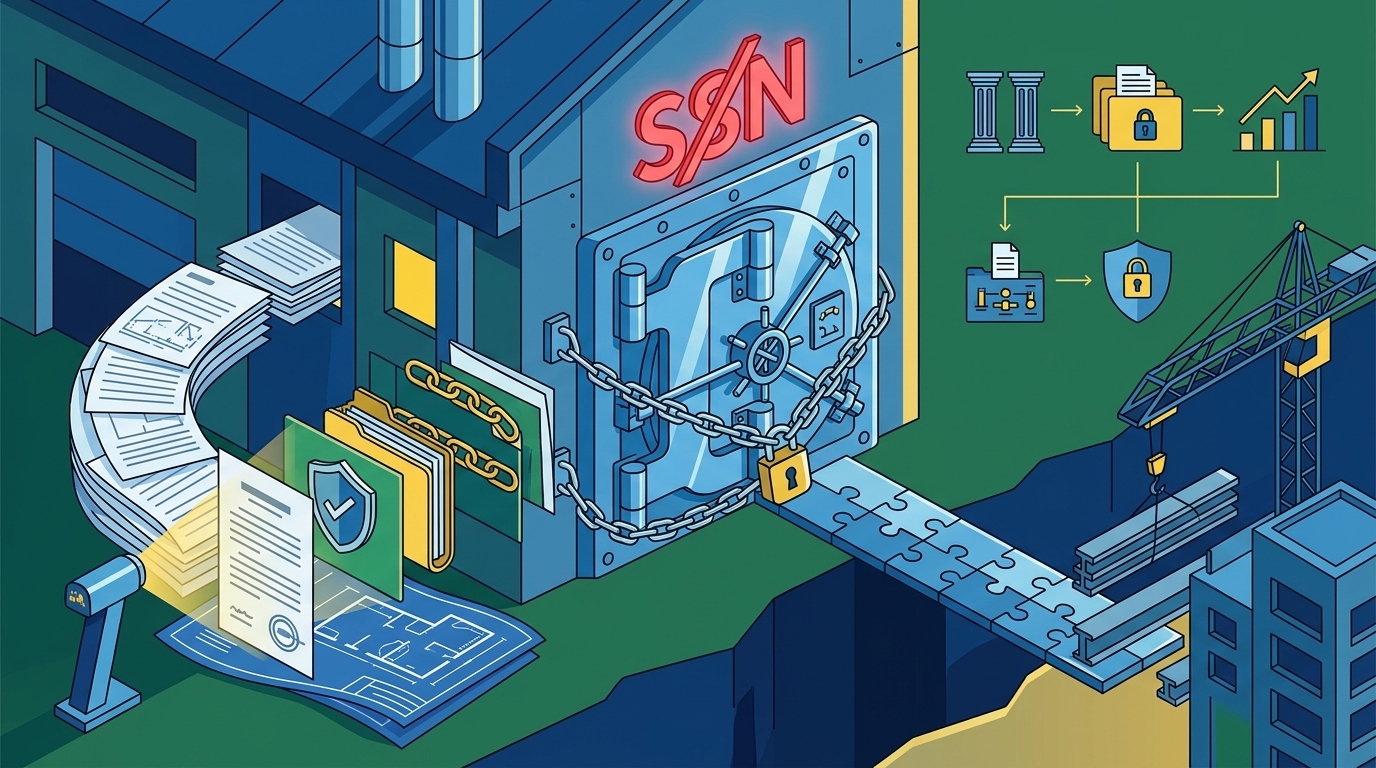
Borrowers also have contractual rights defined in the loan agreement and the lender's privacy policy. These documents outline how data will be used, stored, and protected, providing a legal basis for borrowers to challenge any misuse of their information. Lendersa, for instance, uses a proprietary Data Firewall that anonymizes borrower data during the initial matching process. This contractual commitment to privacy ensures that lenders only see the financial metrics of the deal, not the borrower's identity, until the borrower chooses to release it. This approach not only protects the borrower's privacy but also creates a fairer competitive environment where lenders bid on the strength of the asset rather than the borrower's personal data.
Key Takeaways
- The Gramm-Leach-Bliley Act (GLBA) protects nonpublic personal information, including data collected during commercial loan applications.
- Commercial loans often focus on business entities and asset value, reducing the legal necessity for a personal SSN.
- Asset-based underwriting allows lenders to evaluate collateral rather than personal credit, aligning with privacy protections.
- State laws like the CCPA provide additional rights for data deletion and transparency, complementing federal regulations.
- Contractual privacy policies and data firewalls, such as those used by Lendersa, ensure that borrower identity is protected during the bidding process.
- Borrowers have the right to know how their data is used and can challenge any misuse through legal and contractual means.
Frequently Asked Questions
Is it legal for a lender to require an SSN for a commercial loan?
It is not always legal or necessary. For commercial loans made to business entities, lenders may rely on entity-level identifiers and asset-based underwriting, which do not require a personal SSN. However, if the loan involves personal guarantees, the lender may request an SSN for credit checks and tax reporting.
What federal laws protect my data during a commercial loan application?
The Gramm-Leach-Bliley Act (GLBA) is the primary federal law that protects nonpublic personal information. It requires lenders to provide privacy notices and restrict the sharing of sensitive data with third parties without consent.
How does asset-based underwriting help protect my privacy?
Asset-based underwriting focuses on the value of the collateral property rather than the borrower's personal credit history. This approach minimizes the collection of sensitive personal data, allowing borrowers to maintain their privacy while still accessing capital.
Do state laws provide additional protections for commercial borrowers?
Yes, state data security statutes like the California Consumer Privacy Act (CCPA) provide additional rights for data deletion and transparency. These laws complement federal regulations by providing specific enforcement mechanisms and penalties for data mishandling.
What are my contractual rights regarding data privacy?
Borrowers have contractual rights defined in the loan agreement and the lender's privacy policy. These documents outline how data will be used, stored, and protected, providing a legal basis for borrowers to challenge any misuse of their information.
How does Lendersa protect borrower privacy?
Lendersa uses a proprietary Data Firewall that anonymizes borrower data during the initial matching process. This ensures that lenders only see the financial metrics of the deal, not the borrower's identity, until the borrower chooses to release it.
Conclusion
Understanding the legal protections available when applying for commercial loans without an SSN is essential for protecting your privacy and ensuring fair treatment. By leveraging federal laws, state regulations, and contractual rights, borrowers can navigate the lending process with confidence. Lendersa is committed to providing a secure and transparent platform that respects your data privacy while connecting you with the right financing solutions. To explore how Lendersa can help you secure commercial financing while maintaining your privacy, .