

The modern lending landscape is defined by speed and precision. According to recent industry analyses, borrowers who utilize automated comparison platforms secure financing up to 40% faster than those relying on traditional single-lender outreach methods. This shift is not merely about convenience; it is about leveraging technology to force market competition. For lenders and brokers, the ability to streamline the search for competitive deals is no longer optional. It is the primary driver of conversion rates and client retention in a saturated market.
What is the Multi-Lender Protocol?
The Multi-Lender Protocol is a structured digital framework designed to eliminate the inefficiencies of manual lender outreach. In traditional lending, a broker might contact five different institutions sequentially. This process is slow, prone to human error, and lacks competitive pressure. The Multi-Lender Protocol changes this by presenting a loan scenario to a curated network of qualified lenders simultaneously.
This approach ensures that every borrower receives multiple offers at once. The protocol acts as a centralized hub where capital providers compete for business. By aggregating demand, the protocol creates a dynamic marketplace. Lenders are incentivized to offer better terms to win the deal. This competition drives down interest rates and reduces closing times significantly.
For lenders, this means less time spent on cold calls and more time on high-value activities. The protocol automates the initial screening process. It matches loan parameters with lender criteria instantly. This reduces the friction between borrower intent and capital availability. The result is a streamlined path to funding that benefits all parties involved.
The Mechanics of AI Matching
Artificial Intelligence serves as the engine behind modern lending optimization. AI matching algorithms analyze thousands of data points to identify the best fit for a specific loan scenario. These algorithms consider factors such as credit profile, property type, loan-to-value ratio, and geographic location.
The process begins with a comprehensive data intake. Borrowers input their financial details and property information into a secure portal. The AI then scans the entire market of available programs. It filters out incompatible lenders immediately. This ensures that only relevant offers are presented.
One critical component of this system is the Loan Score™. This proprietary metric evaluates a borrower's readiness for funding. It helps lenders assess risk more accurately. The Loan Improve™ tool then provides actionable steps to enhance the borrower's profile. This proactive approach increases the likelihood of approval.
The AI also handles the ongoing negotiation process. It monitors lender responses and adjusts strategies in real time. This dynamic adjustment ensures that the borrower receives the most favorable terms possible. The system prioritizes speed, cost, and loan amount balance. This triad of priorities defines the optimal lending solution.
Negotiation Dynamics in Digital Lending
Negotiation in digital lending is fundamentally different from traditional methods. It relies on transparency and competition rather than secrecy and leverage. When lenders know that a borrower is comparing multiple offers, they are more likely to negotiate aggressively.
The Quote Comparison Dashboard plays a pivotal role in this dynamic. It allows borrowers to view side-by-side comparisons of offers. This visibility empowers borrowers to make informed decisions. It also holds lenders accountable for their terms.
Furthermore, the protocol facilitates a "best offer" scenario. Lenders are aware that their competitors are also bidding. This awareness creates a race to the bottom on rates and fees. Borrowers benefit from this competition. They secure better deals without additional effort.
For lenders, this means that their initial offer must be strong. There is no room for lowballing or hidden fees. The market dictates the terms. This transparency builds trust and credibility. It also reduces the time spent on renegotiation.
Platform vs. Broker vs. Direct Lender
Understanding the distinction between platforms, brokers, and direct lenders is crucial for streamlining the search. Each entity plays a unique role in the lending ecosystem.
A direct lender provides capital directly to the borrower. They have the final say on approval and terms. However, they only represent their own products. This limits the borrower's options.
A broker acts as an intermediary. They shop the borrower's profile to multiple lenders. While this increases options, it is often manual and slow. Brokers may also have biases toward certain lenders.
A platform like Lendersa combines the benefits of both. It aggregates offers from thousands of lenders. It uses AI to optimize the search. It provides a neutral ground for comparison. This hybrid model offers the widest range of options with the highest level of efficiency.
| Feature | Direct Lender | Traditional Broker | AI Platform |
|---|---|---|---|
| Number of Offers | 1 | 3-5 | 10+ |
| Speed of Matching | Immediate | Days | Minutes |
| Competitive Pressure | None | Low | High |
| Tech Integration | Variable | Low | Advanced AI |
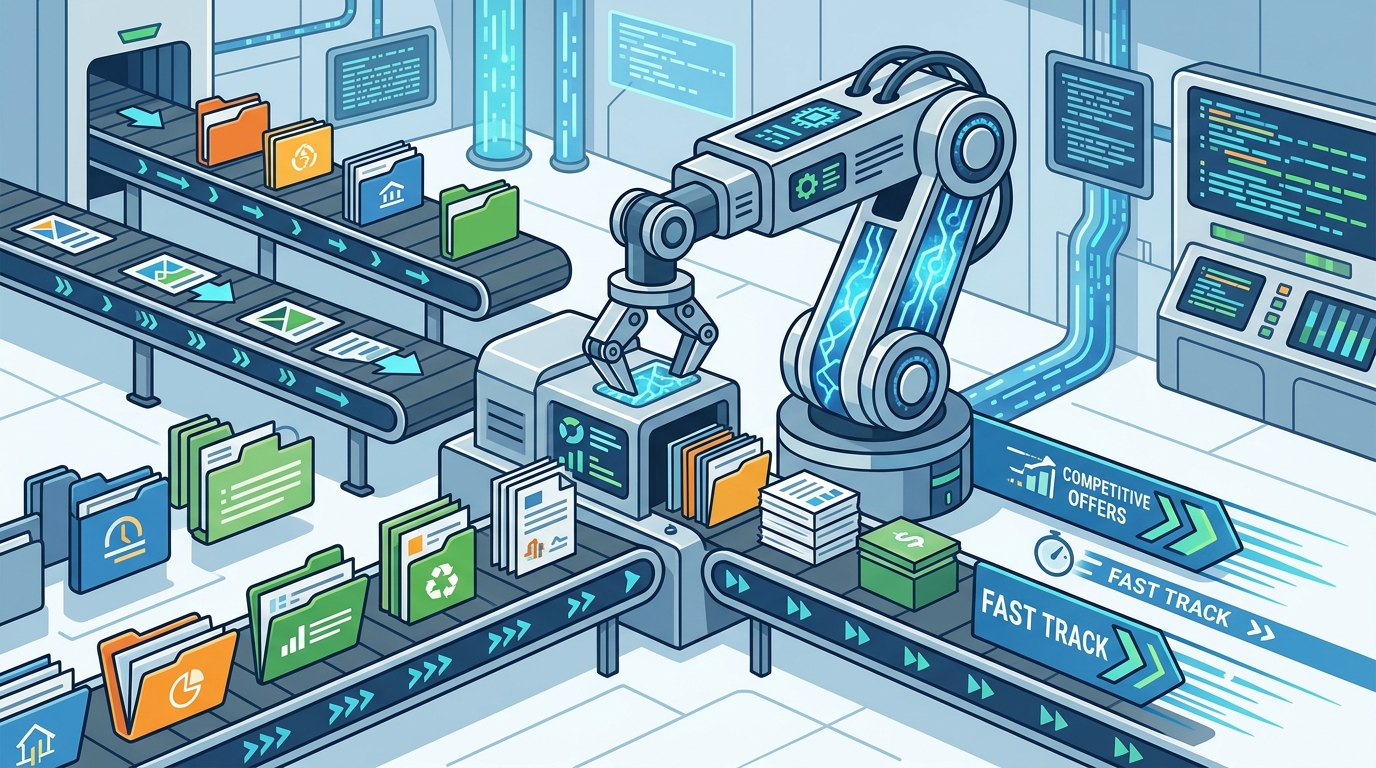
Comprehensive Loan Type Coverage
Streamlining the search requires coverage across all loan types. Different borrowers have different needs. A one-size-fits-all approach fails to address these nuances.
Hard Money Loans are essential for fix-and-flip investors. They offer speed and flexibility. However, they come with higher interest rates. The platform helps borrowers find the most competitive hard money rates.
Conventional Loans are suitable for primary residences. They offer lower rates and longer terms. The platform compares these against private options to find the best balance.
Construction Loans are complex and require specialized lenders. The platform matches borrowers with lenders who understand construction timelines and draw schedules.
Non-QM Loans serve borrowers with non-traditional income. They require lenders with flexible underwriting. The platform identifies these niche lenders quickly.
Commercial Loans involve larger sums and different risk profiles. The platform connects borrowers with commercial capital providers. This ensures that business deals are funded efficiently.
Reverse Mortgages cater to older homeowners. They require specific regulatory compliance. The platform ensures that only compliant lenders are presented.
SBA Loans are government-backed small business loans. They have strict eligibility criteria. The platform helps borrowers find lenders who specialize in SBA programs.
Jumbo Loans exceed conventional conforming limits. They require strong financial profiles. The platform matches borrowers with lenders who have the capacity to fund these large loans.
VA and FHA Loans serve veterans and first-time buyers. They offer favorable terms. The platform ensures that borrowers access these government-backed options.
Blanket Loans cover multiple properties. They are popular for portfolio investors. The platform identifies lenders who offer blanket loan programs.
Key Takeaways
- The Multi-Lender Protocol forces lenders to compete, resulting in better terms for borrowers.
- AI matching reduces the time to find suitable lenders from days to minutes.
- The Loan Score™ and Loan Improve™ tools enhance borrower readiness and approval odds.
- Platforms offer a broader range of loan types than traditional brokers or direct lenders.
- Transparency in the Quote Comparison Dashboard builds trust and drives negotiation.
- Lendersa has been active since 1976, with a digital footprint spanning 50 years of industry evolution.
- Coverage includes residential, commercial, and specialized loan types across the USA, Canada, and Puerto Rico.
Frequently Asked Questions
How does the AI matching process work?
The AI analyzes borrower data against thousands of lender criteria. It filters for compatibility and presents the best matches instantly. This eliminates manual searching and ensures relevant offers.
What is the Multi-Lender Protocol?
It is a system that presents a loan request to multiple qualified lenders simultaneously. This creates a competitive environment that drives down rates and speeds up closing.
Can I compare offers from different loan types?
Yes. The platform allows borrowers to compare hard money, conventional, construction, and other loan types side-by-side. This helps in selecting the most cost-effective option.
Is my financial data secure?
Yes. The platform uses advanced encryption and compliance standards to protect borrower data. Lenders only receive the information necessary for underwriting.
How long does it take to receive offers?
Offers can be received in minutes. The AI instantly matches the scenario with available programs. This is significantly faster than traditional broker methods.
What types of properties are covered?
The platform covers residential, commercial, vacant land, and construction properties. It also handles fix-and-flip scenarios and reverse mortgages.
Do I need a high credit score?
Not necessarily. The platform includes lenders who specialize in non-QM and hard money loans. These lenders focus on equity and property value rather than just credit scores.
Start Your Competitive Search
Stop searching and let lenders compete for you. Visit Lendersa today to experience the power of AI-driven lending. Explore our borrower tools and discover how the Multi-Lender Protocol can save you time and money. Read our FAQ for more details. Join the Capital Portal if you are a lender. Contact us for personalized assistance.